Across oceans and eras, people keep imagining monsters in the deep. The mind treats unexplored water like a blank map, and stories fill those blanks with vivid figures that stick in memory. This intro frames why the deep sea becomes the ultimate unknown in myth and modern tales.
Mythmakers and storytellers use that blankness to create emotional impact. Those images travel into literature, film, and even hobby discussions. For readers who love fantasy themes, the pull is the same: mystery plus risk makes for a memorable story.
The guide also links monster lore to everyday choices. In U.S. sports talk, for example, a single rumor can sway a football roster chat during the season. This article will show how to sort hype from evidence, use rankings responsibly, and stay calm when the “depths” get noisy.
Key Takeaways
- Deep water becomes a cognitive blank that invites dramatic guesses.
- Myths and modern media reuse similar patterns because they work emotionally.
- Fans can apply myth-savvy thinking to sports debates and roster moves.
- Practical frameworks help separate hype from meaningful signals.
- The article aims for clear, action-focused examples for a U.S. audience.
Sea Monsters as a Universal Pattern in Modern Storytelling and Culture
The open ocean prompts a common set of images: something vast, unseen, and moving just below the surface.
Across societies, that sensory mix—limited sight, warped sound, and unsure distance—creates the same storytelling pressure. People independently imagine creatures that capture feelings of helplessness and wonder.
Why the ocean becomes a canvas for shared fears and shared wonder
Oceans outperform forests or mountains for “anything could be there” tales because darkness and depth hide cues that land-based landscapes reveal.
- Limited visibility and strange acoustics make threats feel closer than they are.
- Hidden movement turns small signals into big possibilities.
- Modern fantasy and sports narratives reuse the pattern: a surprise benching or role swap can act like a sea monster in a story.
That same urge shows up in games where incomplete information fuels engagement. Fans in the U.S., from premier league chats to cross-sport leagues, accept rumor as part of the fun.
Ultimately, the “monster” is less about what lurks beneath and more about how groups fill gaps together. The next section examines the psychology behind that shared meaning-making.
The Psychology Behind Deep-Water Mythology
Ambiguous signals push minds to stitch a story from fragments, and that story often looks like a lurking danger. This pattern is normal: humans seek patterns so they can act fast when information is scarce.
Pattern-seeking makes small cues sound like big threats. When vision and sound are limited, the brain links clues into one vivid possibility rather than many mild ones.
That produces the “something is down there” effect. It is not sheer superstition. It is a survival shortcut that biases people to avoid hidden danger.
Invisible risks feel larger because uncertainty inflates stakes. Unknown outcomes often seem worse than a known bad result.
- In a single game decision, limited data leads people to overweight the worst case.
- Groups amplify this through social proof; repeated stories become actionable facts.
- Tools for fantasy players should reduce uncertainty while keeping players engaged, not replace judgment.
In short: pattern-seeking and social reinforcement create powerful myths. Recognizing those forces helps teams and leagues make clearer choices under true uncertainty.
Fantasy as a Service: Turning Fear of the Unknown Into Better Decisions
This page turns the common fear of the unknown into a repeatable method for better roster choices. It exists to serve fantasy players, leagues, and content teams with clear rules for acting under uncertainty.
What this delivers for players, leagues, and content teams
The guide provides plain deliverables: consistent risk rules, a checklist for evaluating player news, and templates for league communication.
How myth-building maps to decisions
A single highlight can become a legend and then a ranking swing. The section shows how that narrative arc happens and how teams can pause before they overreact.
When story helps and when it creates bias
- Helpful: making complex ranges memorable and guiding early scouting.
- Harmful: anchoring on one event, recency bias, and hero‑villain framing in football coverage.
- Practical rule: label items as “interesting but unconfirmed” and measure outcomes, not anecdotes.
The service approach is simple: use projections to start analysis, not to end debate. It keeps the fun and personality while nudging teams toward better starts and smarter roster moves.
From Kraken to Clickbait: How Present-Day News Creates “Monsters” Overnight
Breaking headlines can turn a simple update into a looming threat within minutes. Fast reposting, hot takes, and vague quotes invite speculation. That mix makes readers imagine worst-case scenarios.
Separating signal from noise in news and buzz cycles
Signal changes opportunity, role, or availability. Noise only changes the conversation.
- If a report confirms a roster move, treat it as a signal.
- If it uses words like could or might, assume noise until verified.
- Repetition doesn’t equal confirmation; it often equals click habits.
How legal woes and free-agency chatter reshape perceived player risk
The ESPN-style buzz—Tyreek Hill’s free-agency talk or Rashee Rice’s legal-woes chatter—shows how headlines split risk assumptions.
One item affects availability; the other affects role and reputation. Readers should tag updates (injury, role, transaction, discipline), assign a confidence level, and set a review time before acting.
Quick process to handle breaking items before games:
- Tag the update type.
- Assign low/medium/high confidence.
- Recheck at a fixed review time.
Clickbait phrasing shapes perceived danger the way fog shapes deep-water myths. Once uncertainty rises, people look for maps—rankings, cheat sheets, and draft tools—to steady decisions.
Rankings, Drafts, and the Comfort of a Map in Deep Water
Good maps calm the mind; rankings do the same for draft day chaos. A clear list turns dozens of options into a few safe lanes. That reduces choice overload and keeps managers steady when news spikes.
Printable cheat sheets and Top 300 lists act like sea charts. They offer a plan to follow, remove last-minute panic, and make trades or picks feel intentional.
Early 2026 fantasy football resources—updated top-200 at QBs, RBs, WRs and TEs—work like seasonal charts that change as the offseason shifts. The same goes for 2026 fantasy baseball lists: Tristan H. Cockcroft’s points-league rankings differ from Eric Karabell’s category/roto guides.
- Tiers matter: a tier drop often outweighs a single-slot move in rankings.
- Draft position: treat it as probability, not destiny—pair ADP with league rules.
- Dynasty view: Mike Clay’s top-240 emphasizes future stability over one-year spikes.
Maps help most when combined with judgment. Use rankings as a route, not a rule, and update the chart as the season and depth charts shift.
Start/Sit Decisions and the Myth of the “Safe” Game Script

After a breakout week, managers often debate whether to keep a hot player or let cooler logic win.
The “safe” label is often a story managers tell themselves. The same inputs can produce very different results in a high-variance sport. A single top outing does not erase matchup, role, or coaching risk for the next week.
Why “Dare to bench” debates happen after a breakout performance
Trevor Lawrence might deliver a top fantasy football performance one week and still draw bench chatter the next. Analysts focus on matchup context and usage shifts, not just raw output.
Breakouts inflate perceived ceiling but do not guarantee repeatability. That mismatch fuels the dare-to-bench debate.
Decision frameworks that reduce regret in weekly fantasy football
Use a three-step checklist before kickoff:
- Define the decision: prioritize floor versus ceiling for the week.
- Identify what changed: role, scheme, opponent, or target competition.
- Compare alternatives: weigh players in the same tier and assign confidence levels.
Managing volatility across matchups, roles, and coaching tendencies
Volatility comes from target competition, red-zone roles, and coaching plans. Small usage shifts can swing outcomes by double digits.
Managers should document assumptions before the game. That record reduces regret and stops recency bias from reshaping decisions after the final whistle.
Practical start checklist: confirm projected snaps, red-zone share, injury notes, and a confidence rating. Treat game-script talk as scenarios, not guarantees, and update decisions only when signal rises above noise.
Injuries and Availability: The Real Leviathan in Every Season
Availability quietly decides championships the way a slow leak sinks a ship. Managers often chase upside and forget that missed time erodes value faster than one big week can build it.
“The best ability is availability,” a framing used in ESPN Fantasy, sums the rule: a slightly safer option who plays most weeks often outpoints a boom-or-bust star who misses time.
Why availability matters as a skill proxy
Reliability is a measurable trait for roster construction. When a player shows consistent snaps, their floor rises and risk falls.
Practical roster and waiver tactics
- Diversify positions to avoid simultaneous losses at one spot.
- Avoid over-stacking high-risk profiles; mix steadier starters with upside pieces.
- Make waiver planning a habit: watch practice reports, role shifts, and usage trends before they become urgent.
Separate long-term injury history from current health. Don’t over-penalize a player without fresh evidence. Plan for absences so a roster stays afloat across the season.
Cross-League Fantasy Coverage for U.S. Audiences
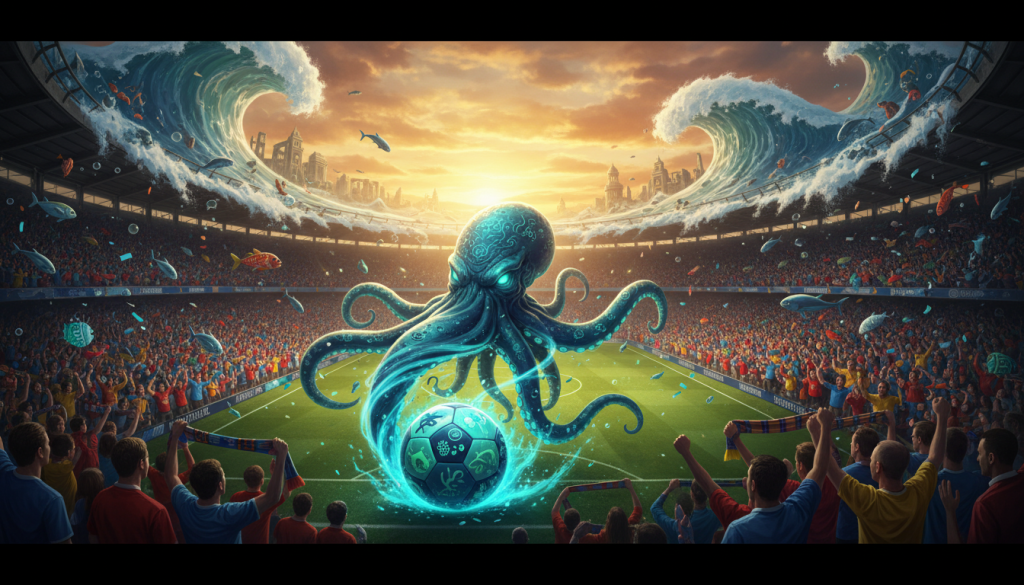
Covering multiple sports in one workflow helps managers treat uncertainty as a single challenge, not a dozen unrelated problems.
Fantasy football focus: players, rankings, offseason updates, and draft prep
Track players through the offseason with ESPN Fantasy’s early top-200 lists and Mike Clay’s top-240 for dynasty context.
Use those lists to build a draft plan, set tiers, and mark items as watchlist or actionable before the draft.
Fantasy baseball focus: season strategy and format-specific planning
Roster construction should follow scoring rules. Tristan H. Cockcroft’s points ranks and Eric Karabell’s roto lists show why format-first planning wins.
Premier league crossover: how uncertainty travels across sports
Rotation risk, managerial choices, and fixture congestion in the premier league create the same deep-water feel managers see in football depth charts.
- Standardize updates: what counts as news, what belongs on a watchlist, when to push alerts.
- Cross-league habits: tier-based drafting, probability thinking, and document assumptions before big calls.
- One workflow: the same tools help a team handle 2026 fantasy shifts across sport and season.
Conclusion
What feels like a sudden crisis usually starts as a tiny, ambiguous signal. Managers and fans should spot the moment stories form and pause before reacting to every update or shocking headline.
Pattern-seeking, invisible-risk inflation, and social reinforcement explain why small clues turn into big monsters in the mind. Recognizing those forces helps teams avoid panic moves and focus on useful evidence.
Leagues can help by setting shared definitions, consistent tiers, and clear update rules so managers treat news with discipline. Use rankings, cheat sheets, and weekly frameworks as maps — they guide choices but still need judgment.
In the long view, the best fantasy outcomes come from repeatable processes, not perfect predictions. Keep a season mindset: plan, review, and adjust as the ocean changes.